

As Thanksgiving approaches, I would like to thank my family, friends and clients. One person particularly dear to me is my mother-in-law, who recently passed away at the age of 87.
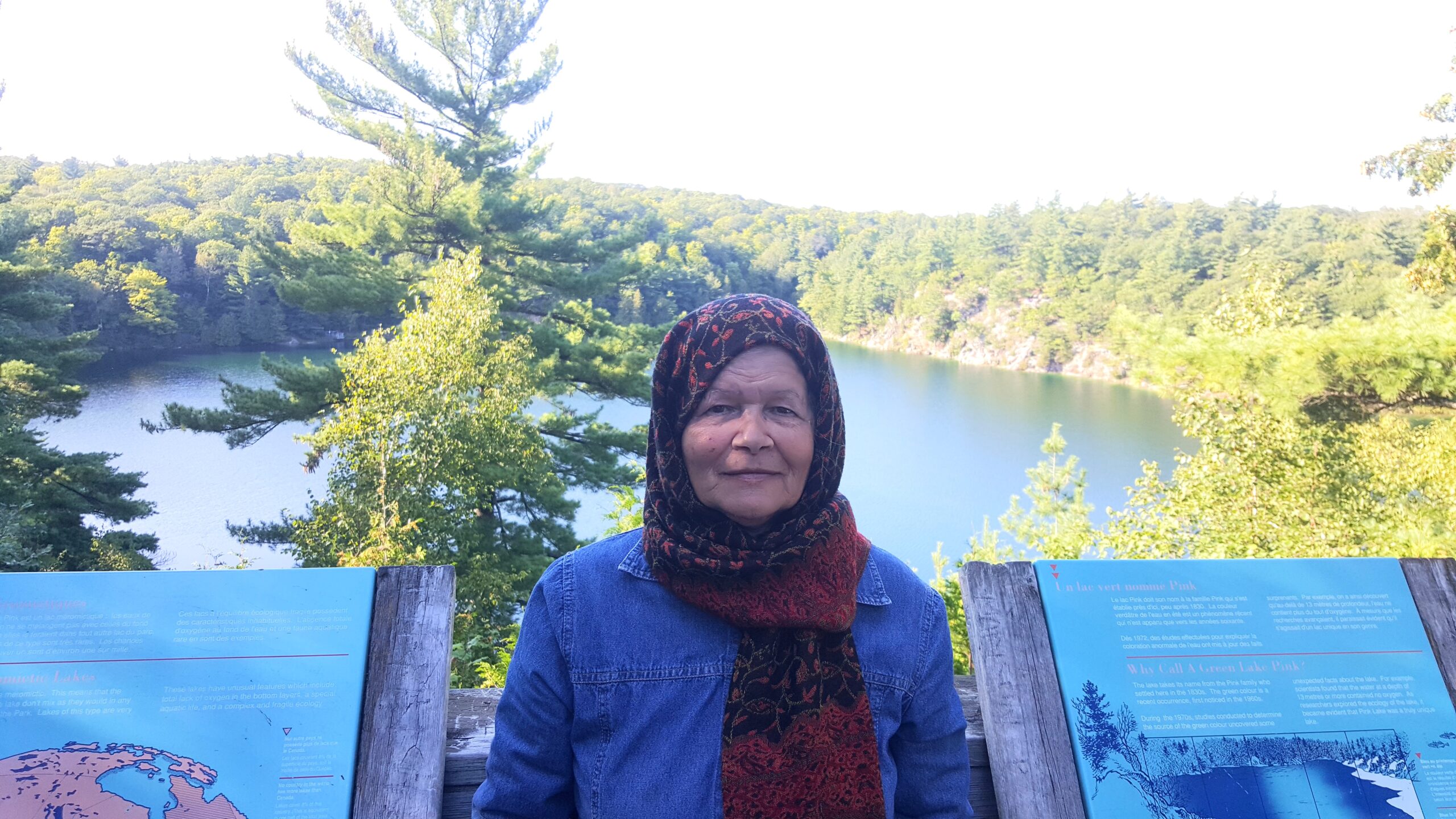
My husband is Iranian. We met thirty years ago in Canada when we were both PhD students in the same Computer Engineering program. After we married and bought our first house, my husband brought his mother to live with us so that we could care for her as she grew older.
I grew up watching my parents care for their own parents — on both sides of the family — with great devotion. Respect for the elderly wasn’t a lesson they taught me in words; it was something I absorbed simply by watching them.
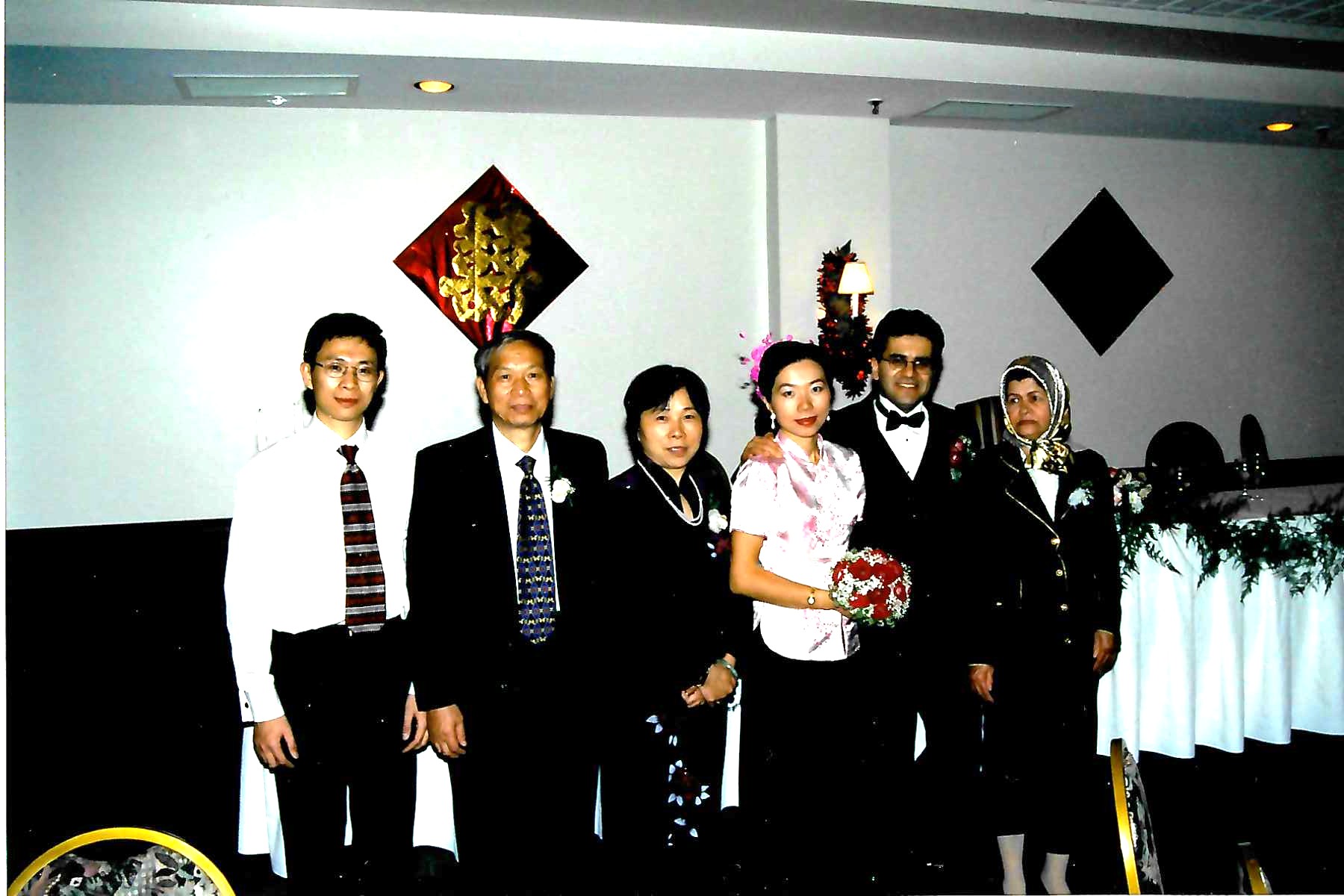
Perhaps that is why I always had great respect for my mother-in-law, especially for her love for her children and family. She lost her husband in a car accident when she was only 39, left to raise five young sons on her own. She never remarried, devoting her life to her children and family.
She was peaceful, hardworking, fair-minded, and never interested in creating conflict. We lived together for more than a decade with love and mutual respect.
She spoke little English, and I spoke little Persian. Yet somehow, language was never a barrier between us. Much of our communication was through gestures, facial expressions, and eye contact. Sometimes a smile was enough — kindness is the universal language.
My own parents also came from China and stayed with us for extended periods. At times, our home brought together three generations, two sets of grandparents, and Chinese, Iranian, and Canadian cultures — all under one roof.
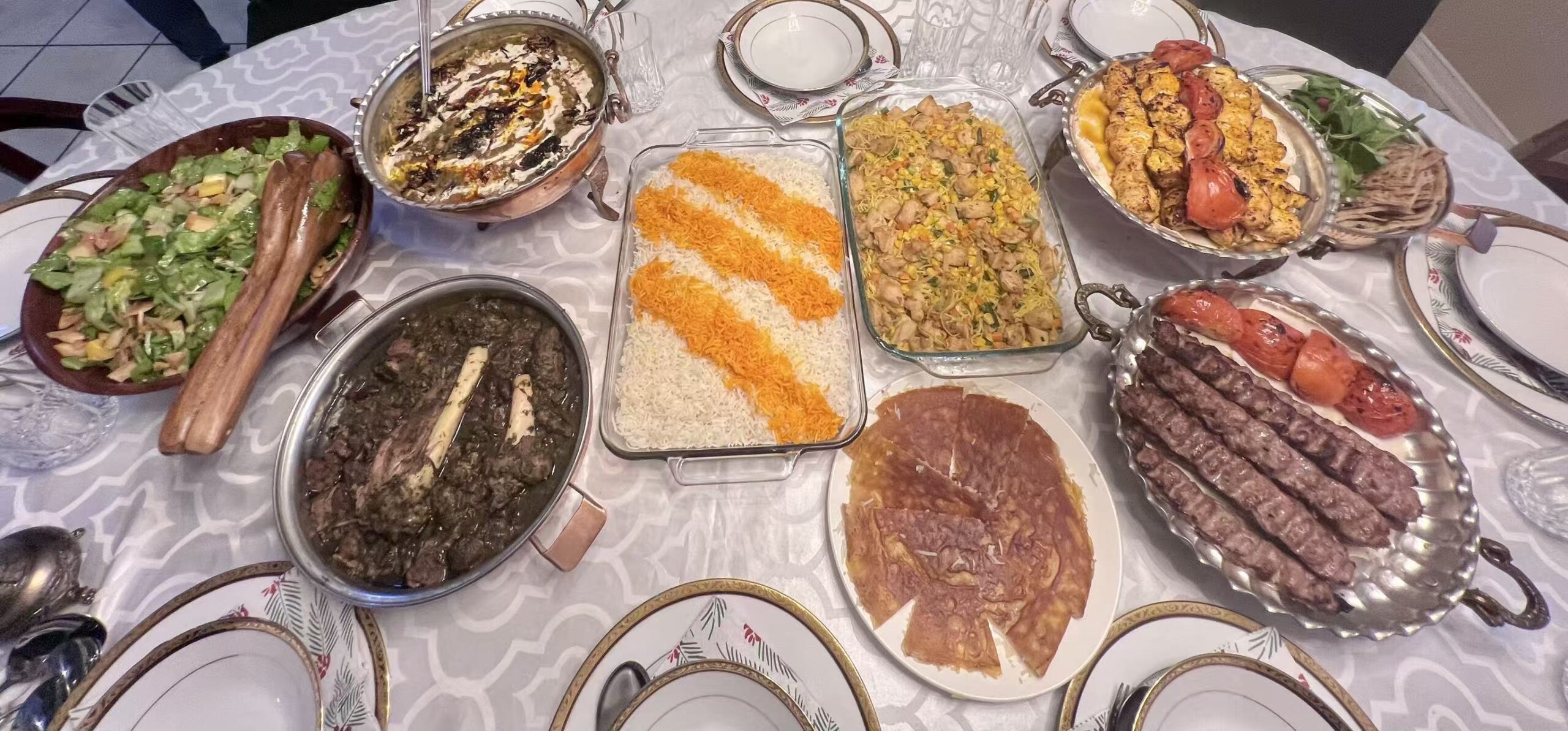
Our children grew up with two rich cultures: they picked up Persian from my mother-in-law and Chinese from my parents, learned to make kabobs and noodles, and celebrated Norooz and Spring Festival. They learned that different languages, foods, and customs do not divide a family — they enrich it.
Looking back, I realize how precious that was: perhaps the most important education our children received happened quietly at home.
People in the community often spoke admiringly of my mother-in-law: all five of her sons grew up healthy, built successful careers, and created happy families of their own. For a mother who had faced so much hardship, perhaps that was her greatest accomplishment and comfort.
When she passed away, more than 500 people came to her funeral.
She had no prestigious title or advanced degree. She simply lived her life with kindness and treated people well. To me, seeing so many people come to say goodbye was a beautiful reflection of the life she had lived.
During her illness, she was still thinking about her grandchildren. She took the gold she had kept over the years and had it remade into individual pieces of jewelry, leaving one for each grandchild. My children and I were deeply touched.
What she left was never just a piece of gold; it carried the love of a mother and grandmother who had spent her entire life caring for her family.
And perhaps there was another inheritance as well. Our children had watched their grandmother grow old in our home. They had witnessed her gentleness and resilience. They learned to respect and care for an elderly person not because someone gave them a lesson about respect, but because Grandma was part of their everyday lives.
It makes me think differently about education. We spend so much time thinking about the schools our children attend, the universities they will enter, and the careers they will pursue. Those things matter.
But some of life’s most important lessons have no classroom, no textbook, and no exam. They are learned around the dinner table. They are learned in the kitchen, making kabobs and noodles together. They are learned by watching how we treat our parents, how we live with people who are different from us, and how we care for one another.
Home, perhaps, is our first and most enduring school.
My mother-in-law left each grandchild a piece of gold jewelry. But the real gold she left us is: kindness, resilience, peace — and love.
Rest in peace, Mom. You will always be in our hearts. The gold you left us will be passed from one generation to the next.