
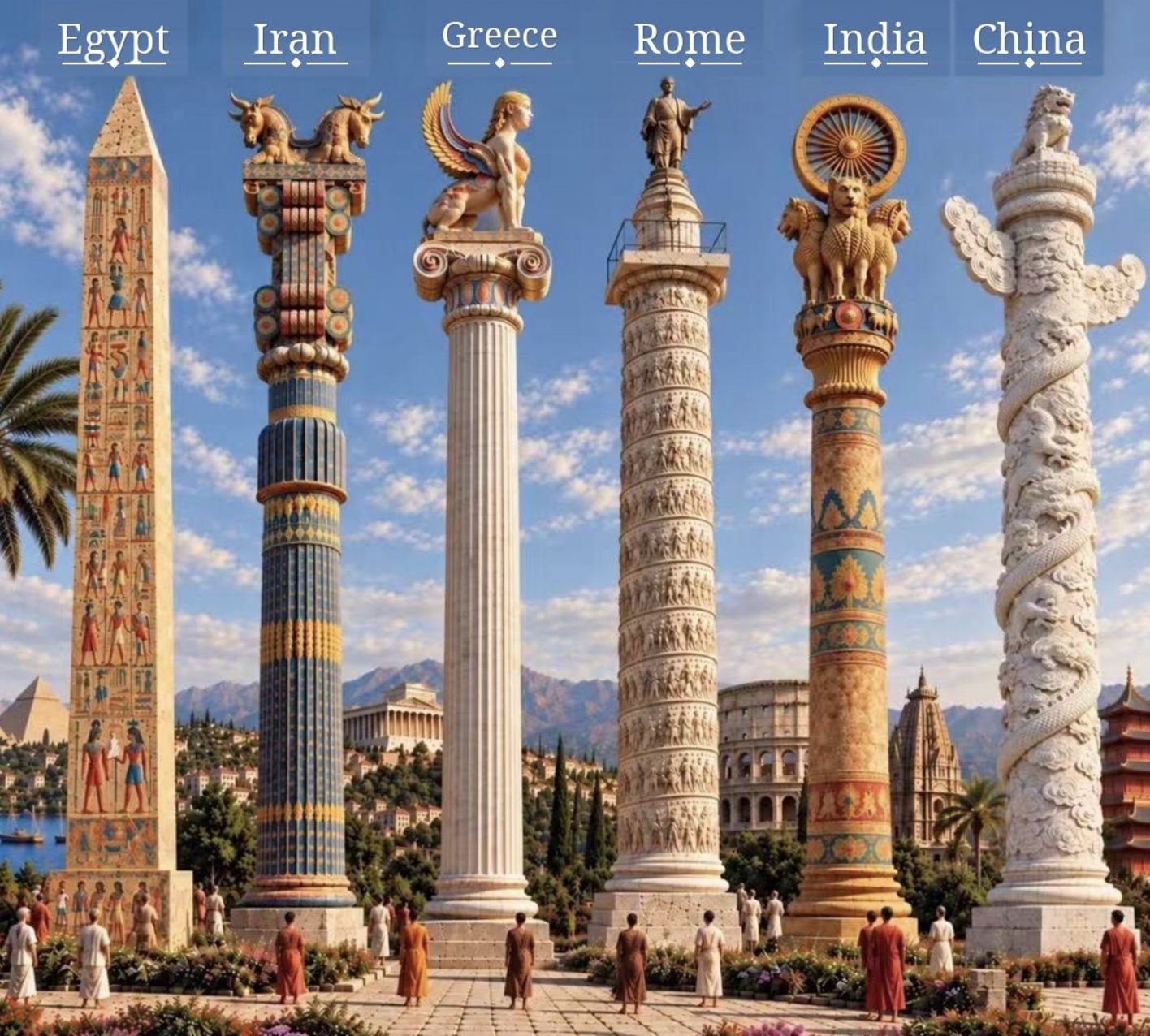
Two Pillars: A Chinese–Iranian Marriage Someone sent me a picture the other day: six pillars standing in a row, one for each of the world’s great ancient civilizations — Egypt, Iran, Greece, Rome, India, and China. I found myself looking at two of them, Iran and China, and thinking: I have lived between those two pillars for almost thirty years.
My husband and I met as PhD students in the same engineering program in Canada. On paper, we came from two different countries. In daily life, I have come to believe our family is built on remarkably similar foundations — and that the differences, where they exist, are mostly on the surface, not the structure.
What is the same
Both cultures put family at the center, not as a slogan but as a daily practice. In both, respect for elders is not politeness; it is a duty and an honour. My mother-in-law lived with us for more than ten years. I made a special tribute to her last month . To many friends this sounded extraordinary.
To a Chinese daughter-in-law and an Iranian son, it was simply what a family does. My own parents cared for their parents the same way. Two traditions, thousands of kilometres apart, arrived at the same answer.
Both cultures revere education and the written word. Persia gave the world Hafez and Rumi; China gave it Li Bai and Du Fu. In both homes, a scholar is honoured, and parents will sacrifice almost anything for a child’s schooling.
It is probably no accident that we met in a university, on a third continent, carrying the same family instruction: study hard, and make something of yourself. Both cultures speak in courtesies.
The Chinese have keqi 客气— the ritual of declining three times before accepting. The Persians have ta’arof — an entire art of polite insistence and offering. When my husband’s family insists a guest take more food for the fourth time, I don’t need a translation.
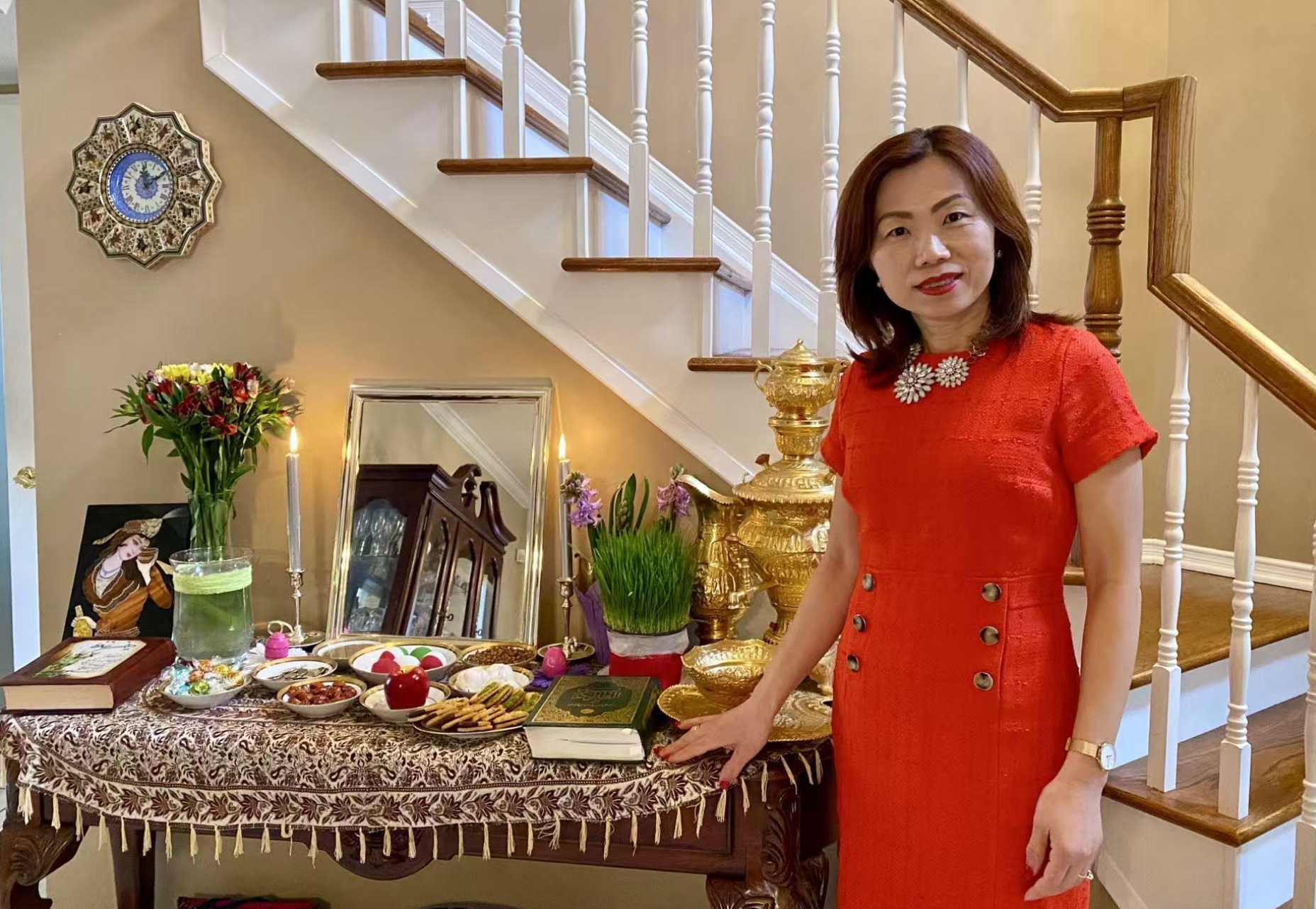
I grew up at that table. And both celebrate the new year in spring: house cleaned, new clothes worn, elders visited, special food on the table. His is Nowruz, at the spring equinox.
Mine is the Spring Festival. Our daughters grew up with two new years — and, they would tell you, twice the celebration is a fine inheritance.
What the children received
If the two cultures truly met anywhere, it was in my two daughters. We decided early that they would learn both languages and both cultures properly — not as a burden, but as a privilege. That meant years of weekend language classes, two sets of festivals to cook for, two histories to explain at the dinner table.
It was not easy, and I will not pretend there were no complaints. But it was worth every bit of the effort.
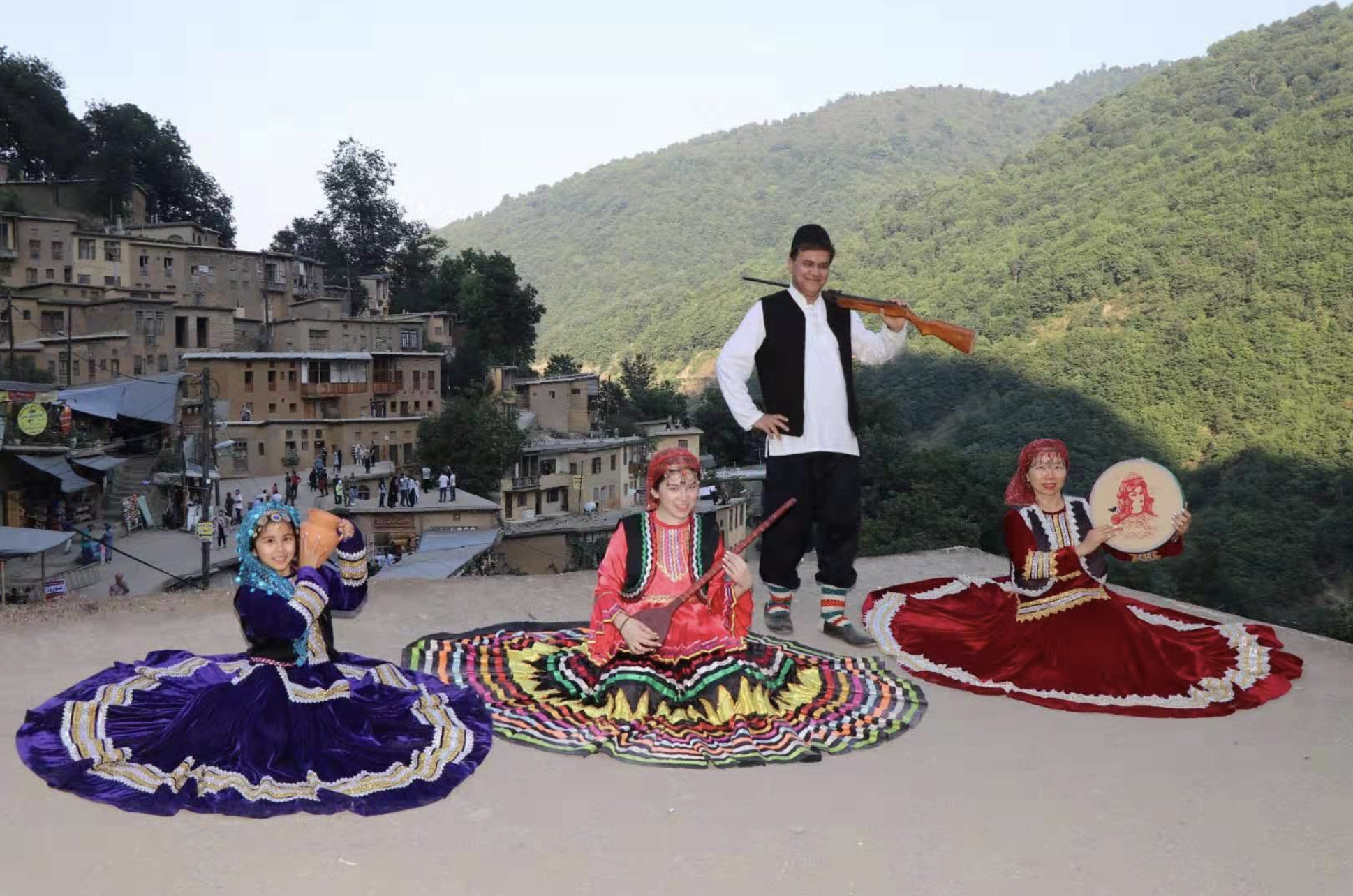
Today they can say, with real pride, that they speak four languages. They have tasted two worlds’ food at one table, celebrated two new years, and grown up knowing — in their bones, not from a textbook — that their family’s way is not the only way. It has immensely enriched their lives.
And it taught them, without a single lecture, what no classroom teaches as well: respect for what is unfamiliar, the habit of compromise, and the ability to see a question from the other person’s side of the table. We are different, yet the same — they learned that sentence by living it.
What is different
The differences are real, and after thirty years I would say they are mostly about expression. Chinese love is famously unspoken — it is in the peeled fruit, the saved seat, the question “have you eaten?” An Iranian husband, I have learned, also speaks love in actions more than in words, but with a different accent: protection, provision, fixing what is broken.
It took me years to understand that when my husband shows care by doing, he is speaking his mother tongue — and that I, who long for gentleness in words, am speaking mine. A marriage between cultures is, in part, a lifelong act of translation. What both traditions agree on — honesty, kindness, hard work, loyalty to family — turned out to be the load-bearing walls.
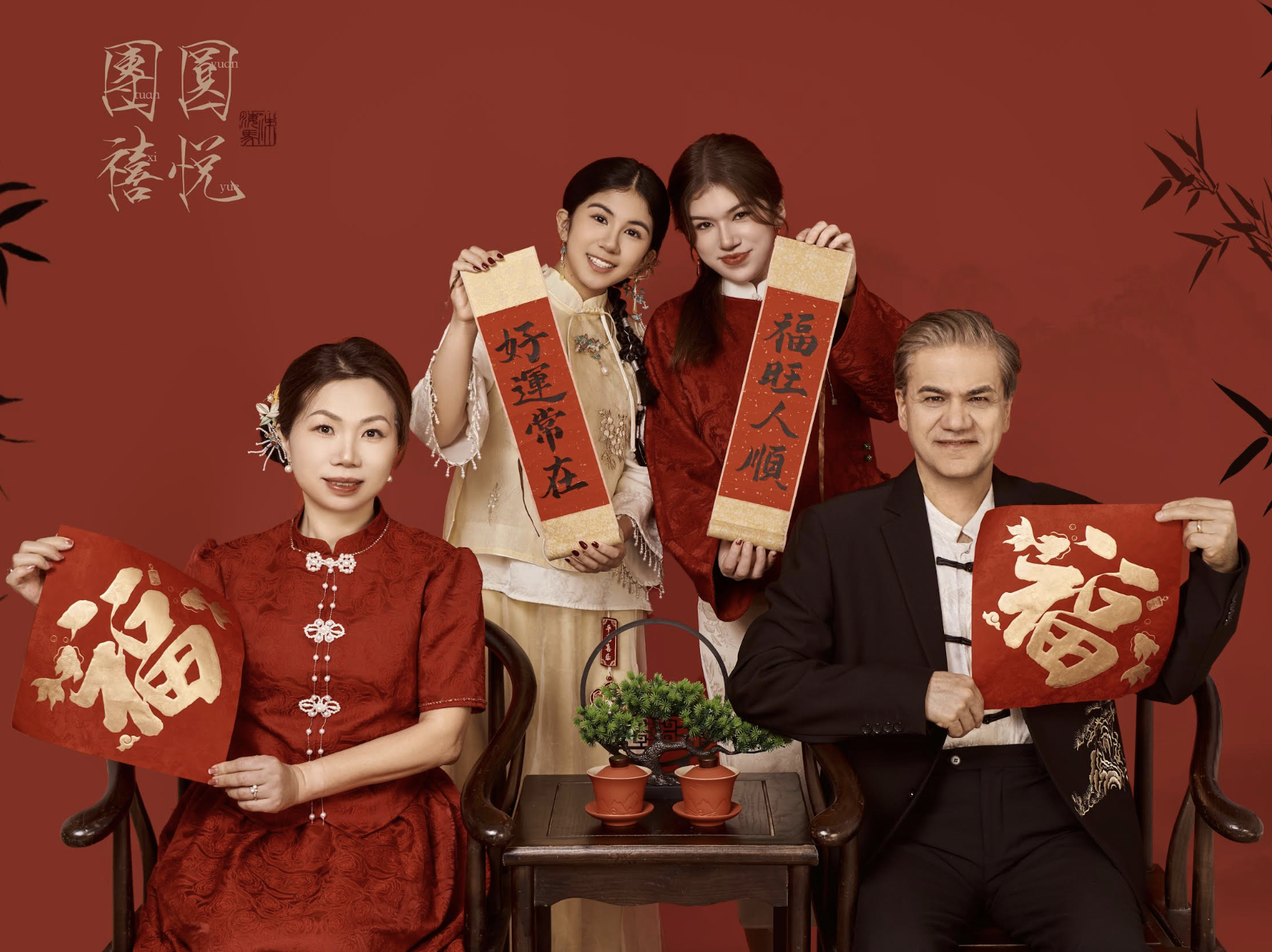
In fact, I have stopped blaming geography for the friction. In China we say customs change every 5 kilometres— 十里不同俗 — even within one country, one province, one town. Two people raised in the same village will still have different tempers. Every marriage is a cross-cultural marriage; ours simply admits it on the label.
What I have learned
Chinese statecraft has two phrases I long ago borrowed for home use: 求同存异 — seek common ground while reserving the differences — and 和平共处 — peaceful coexistence. Thirty years in, I find they describe a good marriage better than most wedding vows do. We never had to become the same.
We had to hold on to the family values we share, and let the rest stand. People ask whether an interracial marriage is harder. My honest answer: the marriage is not between two countries; it is between two people who keep changing. We met young, to study, to work, to build a family.
Thirty years later we are not the same two people, and no marriage — same culture or different — survives on its wedding-day settings. What carries it is the shared foundation, and the willingness to keep growing together rather than apart. Ask me about my marriage on different days, and you may hear different reports.
The facts do not change; the vantage point does. The same glass stands half empty or half full, depending on where you stand to look at it. Perspective, I have learned, is not a small thing. It is very nearly everything.
When I look at that picture again, Iran’s pillar and China’s pillar are not the same pillar. The carvings are different; the capitals wear different crowns. But they are made of the same stone, cut for the same purpose: to hold something up, for a very long time. Perhaps that is what a marriage is, too.